Electric Heating Pads Quietly Becoming a Nighttime Comfort Gadget
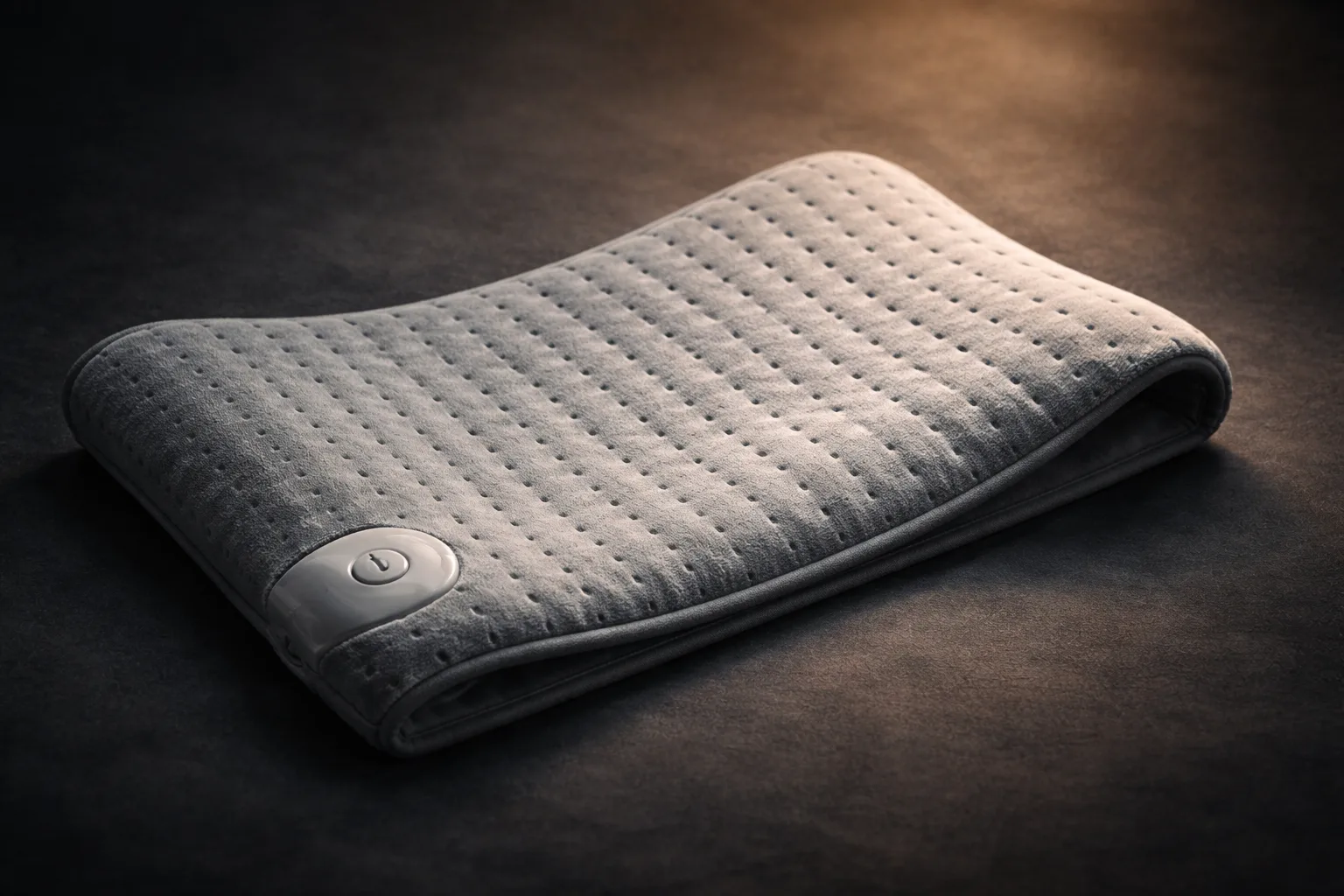
Electric heating pads used to belong to a very specific category of household items. They were taken out when someone had back pain, menstrual cramps, or a stiff neck. After the discomfort eased, they went back into a drawer. What has changed in recent years is not the technology alone but the way people are using it. The electric heating pad is quietly moving from a “remedy device” to a nightly comfort ritual.
In bedrooms where white noise machines hum softly and humidifiers add moisture to the air, a heating pad now sits folded near the pillow or placed at the foot of the bed, waiting to be switched on. It is not there because of an injury. It is there because warmth feels grounding at the end of a long day.
Why Warmth Feels Different at Night
At night, the body begins to cool naturally as part of the sleep cycle. That small drop in core temperature signals the brain that it is time to rest. Localized warmth, especially on the lower back, abdomen, or feet, can create a sense of safety and ease that supports that transition.
Unlike a full electric blanket that changes the entire bed temperature, a heating pad offers targeted warmth. That precision matters. Some people prefer heat only on tense shoulders. Others place it near their feet to counter cold floors and air conditioning. The rest of the bed remains neutral, which prevents overheating.
This quiet control is one reason electric heating pads are gaining attention. They are small, flexible, and easy to reposition. You can fold them, wrap them, or place them beneath a thin layer of fabric without turning your entire sleep space into a heated chamber.
The Modern Versions Look and Feel Different
The heating pads many people remember had stiff plastic wiring and limited temperature settings. The newer versions are softer, often covered in microplush or breathable cotton blends. Digital controllers now allow multiple heat levels and automatic shut-off timers.
Some models offer moist heat options. A removable sponge insert can be lightly dampened, creating a deeper, more penetrating warmth. For people dealing with tight muscles after long hours at a desk or intense workouts, this can make a noticeable difference.
Safety upgrades also matter. Most reputable brands now include auto shut-off functions after a set period, typically between one and two hours. This addresses a common concern about falling asleep with heat applied. Users can relax without worrying about leaving the device on all night.
A Comfort Habit in an Air-Conditioned World
In homes where air conditioning runs through the night, bedrooms often feel cooler than the body prefers. While a lower temperature can support sleep, it can also leave feet cold, muscles slightly tense, or the lower back feeling tight even under a blanket.
Also read: People Sleeping in AC Rooms Are Quietly Adding a Bedside Humidifier
A heating pad offers a simple fix without changing the entire room climate. Instead of adjusting the thermostat, it delivers warmth only where it is needed. Many people now switch it on for fifteen to twenty minutes before bed, letting the gentle heat ease the body into rest. In a space shaped by cool air, that focused warmth feels steady and personal.
Beyond Pain Relief
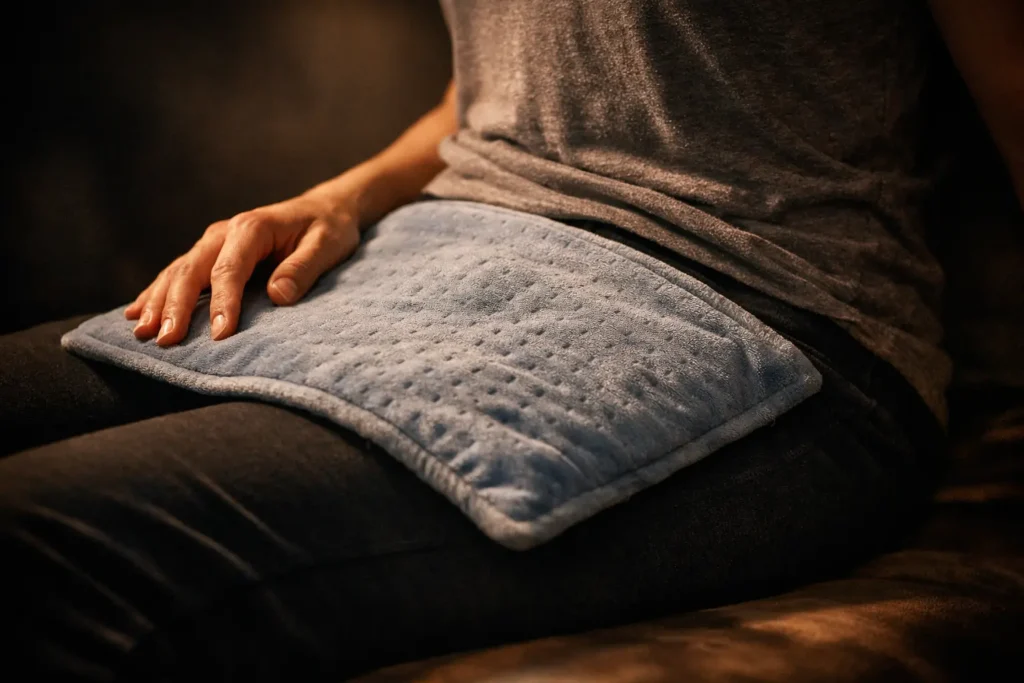
Electric heating pads are still widely used for menstrual cramps and lower back pain. That function remains essential. What is changing is the reason they stay on the bed even when no pain is present.
Warmth can reduce the muscle tension created by stress. People who carry anxiety in their shoulders or jaw often find that gentle heat on the upper back encourages the body to soften. It does not solve stress. It changes how the body holds it.
For those who struggle with restless legs at night, mild heat on the calves sometimes brings comfort. Others use a heating pad on the abdomen after late dinners to ease digestive discomfort. These are small adjustments that improve the quality of rest without medication.
There is also a psychological layer. Warmth has long been associated with care and safety. The feeling is similar to placing a warm compress on a child’s forehead or holding a cup of hot tea between your hands. In adulthood, a heating pad recreates that contained, soothing sensation.
How to Use It Wisely
A heating pad is simple, but it works best when used with intention. Direct contact with bare skin on the highest setting is not advisable. A thin layer of clothing or a bedsheet between the pad and skin helps reduce the risk of irritation.
Most experts recommend limiting each session to twenty to thirty minutes at a time, especially on higher heat settings. If someone plans to sleep with it on, choosing a model with an automatic shut-off is essential.
It is also important to avoid placing the pad under heavy mattresses or folding it sharply during use, as this can damage the internal wiring. Regular checks for frayed cords or uneven heating help ensure safety.
People with certain medical conditions, including reduced skin sensitivity or circulatory disorders, should consult a healthcare professional before regular use. Comfort should never come at the cost of safety.
A Low-Tech Alternative to Complex Sleep Gadgets
The sleep industry is full of advanced devices. Smart mattresses track heart rate. Wearables measure sleep stages. Apps analyze breathing patterns. While these tools provide data, they can also add another layer of stimulation.
An electric heating pad sits at the opposite end of that spectrum. It does not track anything. It does not connect to Wi-Fi. It provides warmth. That simplicity is part of its appeal.
For people who feel overwhelmed by too much technology, the heating pad feels almost analog in comparison. Press a button. Wait a few minutes. Feel the heat spread gently across tense muscles.
In conversations about sleep hygiene, small sensory adjustments often matter more than complex systems. Light levels, sound, room temperature, and tactile comfort shape how easily someone drifts into rest. A heating pad fits naturally into this framework.
Read more: Why Some People Are Quietly Switching to Sunrise Alarm Clocks
The Growing Interest in Sleep Comfort
Search trends and online marketplaces reflect a growing curiosity around sleep comfort. Alongside blackout curtains and ergonomic pillows, heating pads now appear in recommendation lists. Influencers share nighttime routines that include reading under soft lighting, with a heating pad resting on the lower back.
The device is no longer hidden in a medical drawer. It’s now visible on beds, folded neatly at the corner, part of the aesthetic of comfort.
What makes this shift interesting is that it is quiet. There has been no major marketing campaign positioning heating pads as lifestyle essentials. Instead, people have integrated them into daily life based on personal experience.
The Emotional Side of Small Rituals
Night routines carry emotional weight. They mark the shift from productivity to rest. When someone plugs in a heating pad and feels warmth slowly build, the action itself becomes meaningful.
It says the day is done. It signals permission to relax.
In households where multiple family members share a room, a heating pad offers individual comfort without affecting others. One person can enjoy warmth while the room remains cool for everyone else. This flexibility makes it practical.
Electric heating pads may never be labeled as luxury products. They are simple, affordable, and accessible. Yet their growing presence in bedrooms suggests a deeper trend. People are seeking controlled, personal comfort that does not require complex systems or large investments.
As nighttime routines continue to evolve, the heating pad stands out as a small device with a steady influence. It does not promise transformation. It offers warmth at the exact place it is needed. For many, that is enough to turn a basic medical tool into a trusted companion at the end of the day.
0 Comments