Morning alarms are a fixed part of modern life. Yet many people are moving away from traditional phone alarms and trying sunrise alarm clocks instead. The shift doesn’t seem driven by trend alone. For most, it comes down to how the experience feels.
The real issue: We’re waking up against our body
The human body naturally receives wake-up signals through light. In nature, dawn doesn’t arrive all at once. Brightness builds slowly, and the body eases into wakefulness.
Now think about a modern bedroom. Blackout curtains. An air-conditioned room. Almost no natural light. And then a sharp ringtone.
That’s where the mismatch shows up.
Most people don’t describe it in scientific terms. They just say, “I get up, but it feels like I was jolted awake.”
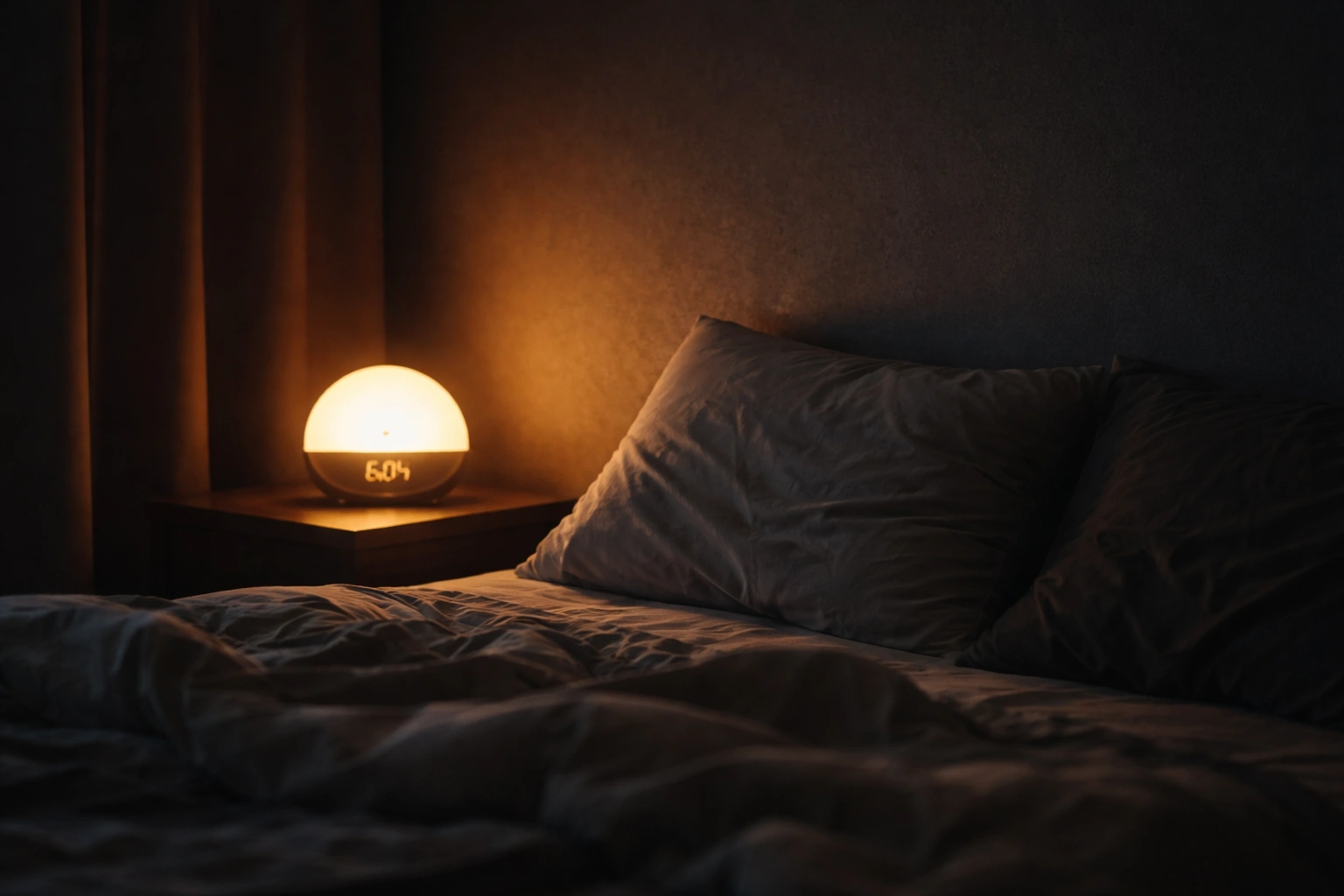
A sunrise alarm tries to change that pattern. Light begins to rise before the set wake-up time. When your eyes open, the room isn’t completely dark. The transition has already started.
It doesn’t work any magic overnight. It just makes waking up feel a little less harsh.
The snooze culture fatigue
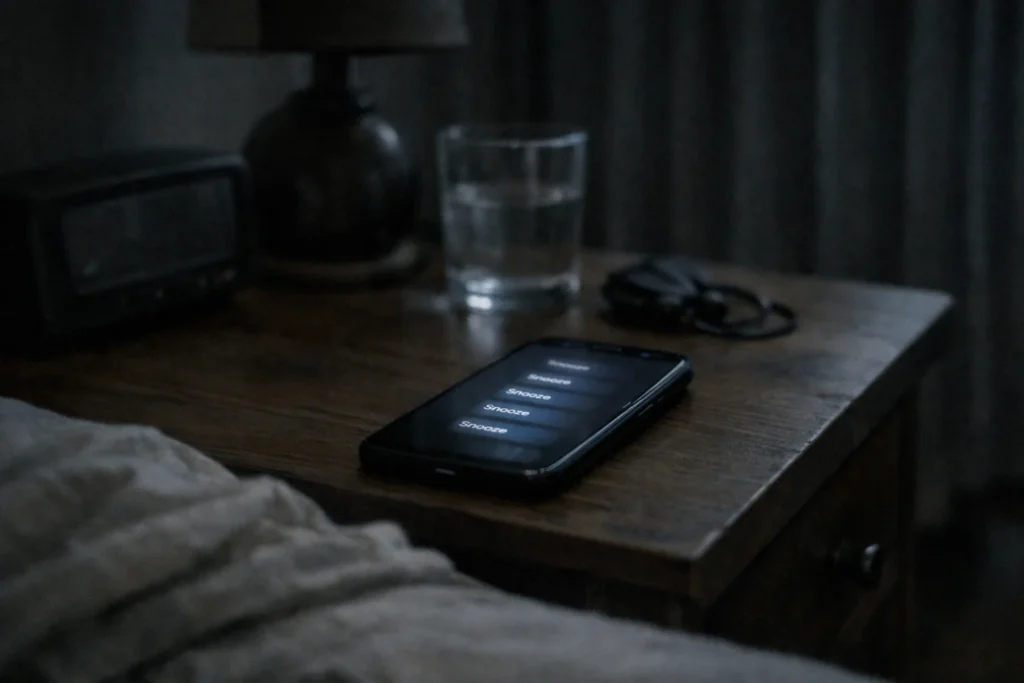
Lifestyle blogs often focus on productivity, but the psychological loop behind snoozing gets less attention.
Snooze isn’t really comfort. It’s usually friction between the body and the schedule.
People who switch to sunrise alarms often notice they hit snooze less. When the wake-up feels gradual instead of abrupt, the urge to fall back asleep tends to drop.
For many, it wasn’t a discipline problem. It was a timing and wake-up method issue.
Urban bedrooms aren’t designed for natural mornings
In many city homes, bedrooms are built as controlled environments. Light is blocked. Noise is minimized. Temperature is regulated.
Comfort is optimized, but natural morning signals are reduced.
A sunrise alarm fills that gap for people whose rooms rarely receive real dawn light. This becomes more noticeable in winter, when outdoor brightness arrives later than usual.
The shift toward these alarms is especially visible in metro cities. Most people aren’t switching for aesthetics. They’re looking for a gentler start to the morning.
It’s not about waking earlier. It’s about waking better
A sunrise alarm won’t make you more disciplined. It won’t suddenly turn your mornings into a productivity upgrade.
What it can change is the first minute. The wake-up doesn’t feel as aggressive.
And that’s where small lifestyle shifts begin.
There’s also a side effect of phone alarms that people rarely think about. The moment your eyes open, there’s a screen. Notifications. Messages. Emails.
With a dedicated sunrise alarm, the first input is light, not information. For many, that small boundary feels more valuable than expected.
Who Is Actually Switching?
People who are already self-aware about how their mornings feel.
People are frustrated with hitting snooze again and again.
People waking up in fully blacked-out rooms.
People who feel that even after enough sleep, the wake-up still feels harsh.
This isn’t a gadget trend. It’s a shift for those trying to reduce friction in their mornings.
You may also want to read: The Analog Alarm Clock Is an Underrated Bedside Gadget at Night.
Is it worth switching?
A sunrise alarm clock won’t transform everyone’s mornings. If you already wake up feeling naturally refreshed, the difference may be minimal.
But for people who wake up to a jolt, struggle with multiple snoozes, or start the day in complete darkness, rethinking the wake-up method can make sense.
This device doesn’t promise more sleep. It simply changes the tone of waking up.
Sometimes improvement doesn’t come from a big decision. It comes from a small adjustment like making the first minute of the day feel less abrupt.